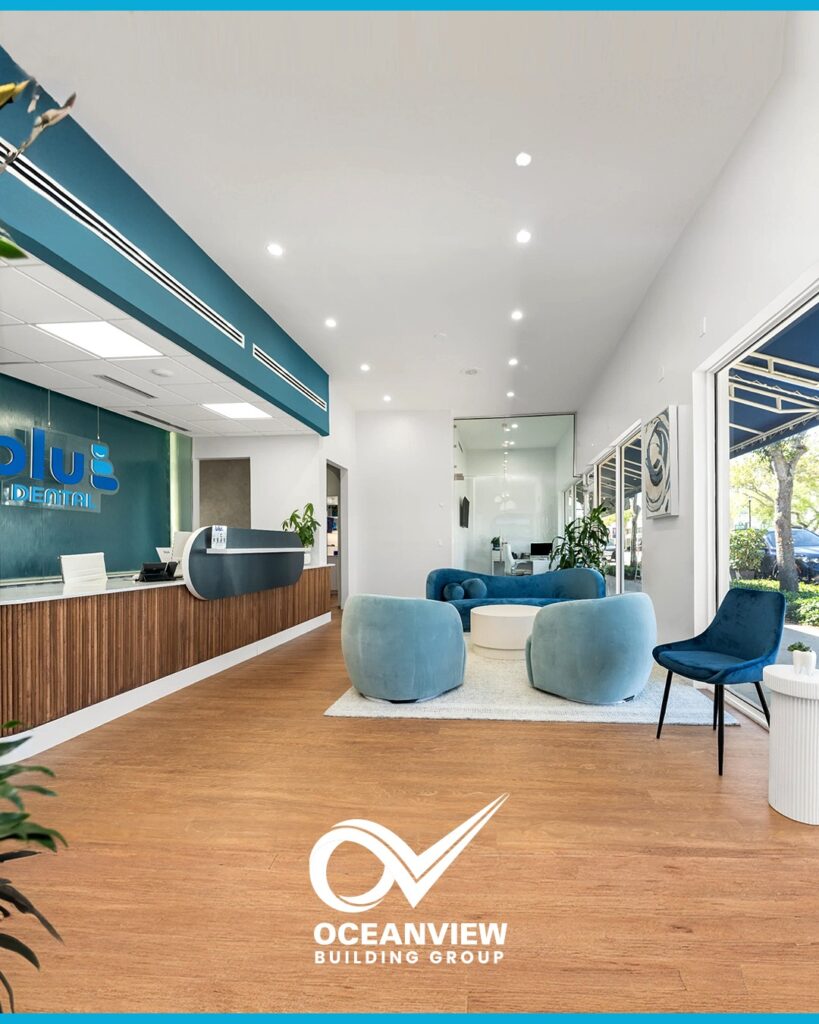
Every fall, the same conversation happens in offices, practices, and homes across South Florida. Someone looks around at a space they’ve outgrown and says: “Next year. Next year we build.” Then the holidays arrive, the new year gets busy, and the project that was supposed to define next year quietly becomes the year after.
Anderson Dos Santos and the team at Oceanview Building Group in Boca Raton have heard that story enough times to know exactly where it goes wrong — and it’s not ambition. It’s the calendar. Because here’s what most people don’t realize about construction: the projects that finish next year are the ones that start on paper right now.
The Invisible First Half of Every Project
By the time you see walls going up, a project is already months old. The real timeline looks like this:
Discovery and design. Your goals, budget, and site translated into a concept — the phase where great projects are made or compromised. Weeks to months, and worth every day.
Architecture and engineering. Concepts become permit-ready drawings, coordinated across structural, mechanical, electrical, and plumbing.
Permitting. South Florida municipalities review on their own schedule, not yours. This phase rewards early starters and punishes procrastinators — every spring, review queues lengthen as everyone’s “new year projects” hit the same desks at once.
Then construction begins. Demolition to finishes, with inspections gating each phase.
Start the paper phase this fall, and construction can begin as the new year opens — putting a ribbon-cutting or move-in well inside next year. Start in the spring, and you’re fighting for next winter.
Why Design-Build Compresses the Calendar
The traditional route — hire an architect, finish drawings, then shop for a builder — strings phases end to end and invites the gap where budgets and blueprints famously disagree.
Oceanview Building Group runs projects as an integrated design-build team: design, budgeting, and construction planning move together from day one. Drawings are priced as they’re drawn. Constructability questions get answered before they become change orders. And for the specialized work the firm is known for — medical and dental buildouts alongside luxury residential projects — that integration matters even more, because clinical spaces layer equipment planning and code requirements on top of everything else.
The Fall Advantage, Specifically
Design attention is at its best. Starting now means your project gets deep planning focus during the industry’s quieter stretch.
Permits land ahead of the spring pile-up. Your application is in the queue before the crowd arrives.
Long-lead items get ordered in time. Specialty equipment, custom finishes, and mechanical systems carry lead times that can silently stall an unprepared project.
Your budget gets built with next year’s clarity. Planning now means walking into the new year with a real number, a real schedule, and a team already in motion.
Frequently Asked Questions
How long does a commercial or medical buildout take in South Florida? Counting design, permitting, and construction — many months end to end. That’s precisely why a fall start is the reliable path to a next-year opening.
What makes medical and dental construction different? Specialized equipment coordination, stricter code and infection-control requirements, and unforgiving layouts. Oceanview Building Group builds these spaces as a core specialty, not a side job.
What does design-build mean for me as a client? One accountable team from concept through completion — faster timelines, fewer surprises, and a budget that’s respected from the first sketch.
What should I bring to a first conversation? Your goals, your rough budget comfort, and your ideal opening date. Oceanview Building Group builds the road map from there.
“Next Year” Is Decided This Fall
If next year is supposed to be the year — the new practice, the expanded office, the dream renovation — the first step happens now, and it’s just a conversation.
Every doctor and dentist planning a new office asks us the same two questions in the first meeting: how long, and how much. Both deserve straight answers — and straight answers require understanding what actually happens between signing a lease and treating your first patient.
A medical or dental buildout is not a fancy office renovation. It’s closer to building a small, highly regulated machine inside a shell of a building. Here’s the real sequence, the real timeline, and the things that genuinely drive cost — from a team that builds these spaces across South Florida.
Phase One: Before You Even Sign the Lease
The most expensive mistakes in healthcare construction happen before construction exists — at lease signing. Not every space can affordably become a clinical space. Dental operatories need plumbing runs the building may not support without trenching the slab. Imaging equipment has weight and shielding requirements. Medical HVAC needs capacity an older building may simply not have. Parking ratios and zoning for medical use trip up more deals than anyone expects.
This is why we tell practitioners to bring their builder in during site selection, not after. At Oceanview Building Group, we are happy to take this tour with you. A test-fit and due diligence review costs little and can save you from leasing a space that will fight your budget for a decade. It also strengthens lease negotiation on tenant improvement allowances, buildout periods, and who pays for base-building upgrades.
Phase Two: Design and Engineering
Next comes design — and in a clinical space, design is workflow. How does a patient move from check-in to treatment to checkout? Can staff move between operatories without crossing sterile pathways? A well-designed floor plan quietly adds capacity for the life of the practice; a poor one costs you minutes on every patient, forever. At Oceanview Building Group, we have a lot of experience getting this right and would love to walk you through it.
Then engineering makes it real: mechanical, electrical, and plumbing drawings that account for medical gas lines, per-chair water and vacuum, isolated circuits for equipment, lead-lined walls where imaging requires shielding, and air handling that meets healthcare standards. Equipment coordination happens here too — your chairs, sterilizers, and imaging units each come with exact utility requirements, and the drawings have to match the actual models you’re buying. Changing equipment after drawings are done is one of the classic sources of delay and change orders.
Plan on this phase taking a few months when it’s done properly. Rushing it is false economy; every unresolved detail here becomes a more expensive problem in the field.
“The buildouts that go the most smoothly are decided in the first ninety days, before anyone swings a hammer. When the drawings, the equipment specs, and the permit package all agree with each other, construction is almost the easy part.” — Anderson Dos Santos, CEO, Oceanview Building Group
Phase Three: Permitting
Healthcare projects get more regulatory attention than standard commercial work. Depending on the practice type, your package may face building department review plus health department requirements and radiation-control review for imaging areas. In South Florida municipalities, timelines vary widely — weeks in some cities, months in others.
Two things keep this phase moving. First, a complete and internally consistent submission; most permit delays are self-inflicted by packages that bounce back for corrections. Second, a builder who knows the local reviewers and processes, because navigating comments quickly is a skill built over many projects.
Phase Four: Construction
Now the visible part. A typical medical or dental buildout runs roughly four to eight months of construction depending on size and complexity. The sequence: demolition, framing, then the dense underground and in-wall work — plumbing, medical gas, electrical, data — followed by inspections, drywall, ceilings, flooring, millwork, and finishes.
What makes clinical construction different is coordination density. A dental operatory wall might carry water, air, vacuum, power, and data lines that all have to land within fractions of an inch of where the chair manufacturer requires. Equipment delivery has to sync with construction readiness — walls sometimes can’t close until equipment rough-ins are verified. This is where an experienced healthcare builder earns their fee: not in pouring concrete, but in making three hundred details land in the right order.
Phase Five: Inspections, Equipment, and Opening
The finish line involves layers: building inspections, fire, health-related sign-offs where applicable, and the certificate of occupancy. Then equipment installation, calibration, and staff training — and only then, patients. Build a few buffer weeks into your opening plans — announcing a hard opening date based on a best-case schedule is a stress you don’t need.
What Actually Drives the Cost
Square footage matters less than what’s in the square footage. The real cost drivers: the number of operatories or exam rooms (each one is a bundle of plumbing, gas, and electrical), imaging and shielding requirements, HVAC upgrades to the base building, slab trenching for plumbing, finish level in patient-facing areas, and — the sleeper — the condition of the existing space. A second-generation medical space can cost dramatically less to convert than raw shell space, which is another reason due diligence before the lease matters so much.
The honest budgeting advice: get real numbers from a builder based on your equipment list and a test-fit, and carry a contingency around ten percent. Healthcare buildouts punish optimistic budgets.
Frequently Asked Questions
How long does a dental office buildout take?
From lease signing to opening day, most projects run nine to fourteen months: a few months of design and engineering, one to three months of permitting depending on the municipality, and four to eight months of construction. Starting design before the lease is final is the best way to compress it.
How much does it cost to build out a medical office?
It varies too widely for one honest number — clinical density, equipment, imaging shielding, and the condition of the existing space each swing costs enormously. The reliable approach is a builder’s estimate based on your specific equipment list and floor plan, plus a contingency of about ten percent.
What’s the difference between a medical buildout and regular commercial construction?
Infrastructure density and regulation. Clinical spaces carry medical gas, per-room plumbing and vacuum, shielding, healthcare-grade HVAC, and additional inspection layers that standard offices never touch. It’s why healthcare experience matters more than general construction experience.
Should I hire a contractor before signing my lease?
Yes. A pre-lease test-fit and due diligence review tells you whether the space can support clinical use affordably, and strengthens your negotiating position on tenant improvement allowances and buildout timelines. It’s the cheapest insurance in the entire project.
Planning a Practice Buildout? Start the Conversation Early
The best time to talk to us is before you’ve committed to a space — and the second-best time is today. Oceanview Building Group designs and builds medical and dental spaces across South Florida, and we’ll give you straight answers on your timeline and your numbers. See our recent work in the project gallery.
Commercial and residential construction share many of the same fundamentals. Both require planning, design, permitting, skilled trades, quality materials, inspections, scheduling, and careful construction management. But the purpose of the space changes nearly everything about how a project should be approached.
Residential construction is centered on how people live. Commercial construction must support how a business operates—often while accounting for employees, customers or patients, equipment, technology, accessibility, privacy, workflow, building systems, branding, and future growth. For healthcare practice owners, those differences become even more important.
A medical or dental office cannot simply look good. It has to function efficiently every day. Patient circulation, staff workflow, treatment areas, equipment locations, mechanical and electrical requirements, plumbing, privacy, accessibility, materials, and the overall patient experience all need to work together. That requires more than a contractor who can build walls and install finishes. It requires a team that understands how design, construction, operations, budget, scheduling, and technical requirements influence one another.
Oceanview Building Group focuses on commercial design-build throughout South Florida, with an emphasis on medical, dental, healthcare, office, retail, and other specialized commercial environments.
Oceanview Building Group no longer provides residential construction or remodeling services. Our focus is helping commercial and healthcare clients plan and build spaces around the way their businesses need to operate. If you are considering a medical, dental, or healthcare construction project, here is what you should know before getting started.
What Is Residential Construction?
Residential construction involves building or renovating spaces intended primarily for private living.
Projects can include:
Single-family homes
Condominiums
Home additions
Kitchen renovations
Bathroom renovations
Interior remodeling
Other residential improvements
Residential design is usually driven by the lifestyle and personal preferences of the homeowner.
The planning process may focus on questions such as:
How does the family use the home?
Where do people gather or entertain?
How much storage is needed?
What materials and finishes reflect the homeowner’s style?
How should indoor and outdoor spaces connect?
Comfort, personalization, aesthetics, and lifestyle are major considerations.
Commercial construction has a different purpose.
Instead of designing around personal living preferences, the project must be planned around the operational needs of a business.
What Is Commercial Construction?
Commercial construction involves creating, renovating, or building out spaces designed to support business activity.
Examples include:
Medical practices
Dental offices
Healthcare facilities
Professional offices
Retail environments
Cosmetic surgery practices
Specialty commercial build-outs
Appearance still matters, but commercial design cannot be based on appearance alone.
The space has to work.
Employees need to move efficiently. Customers or patients need to understand where to go. Equipment needs to be placed correctly. Building systems need to support the business. Accessibility and applicable codes must be considered. Materials need to withstand repeated daily use.
The construction schedule may also need to coordinate with lease requirements, inspections, equipment deliveries, staffing, move-in dates, and the planned opening of the business.
For medical and dental practices, that coordination can become considerably more specialized.
That is why successful healthcare construction should begin with an understanding of the practice itself—not simply a floor plan.
Commercial vs. Residential Construction: What Are the Main Differences?
Commercial Spaces Are Designed Around Business Operations
Residential construction begins with lifestyle.
Commercial construction begins with operations.
Before designing a commercial space, the project team needs to understand what happens inside that business every day.
Questions may include:
Where do patients or customers enter?
How should reception function?
How do employees move between work areas?
Where does equipment need to be located?
Which areas require greater privacy?
Where are supplies stored?
Where could bottlenecks develop?
How does the layout support an efficient workflow?
These questions are particularly important in healthcare environments.
A medical or dental practice may need to balance patient circulation, staff circulation, treatment rooms, equipment, support spaces, privacy, storage, technology, and the patient experience within the same footprint.
Strong commercial design does not create a layout first and then force the business to adapt to it.
It starts by understanding the operation and designing around it.
Commercial Construction Can Have More Complex Requirements
Commercial projects often require extensive coordination between design, permitting, construction, building systems, equipment, vendors, inspections, and business operations.
Those requirements also vary significantly from one type of business to another.
A professional office does not operate like a retail store.
A dental practice does not have the same infrastructure requirements as a general office.
A medical facility may introduce considerations involving specialized plumbing, electrical requirements, equipment, accessibility, privacy, lighting, technology, sterilization areas, infection-control strategies, or other operational needs.
These items should be identified as early as possible.
Discovering during construction that an important system, piece of equipment, or workflow requirement was not properly considered can result in redesign, additional costs, schedule disruptions, and unnecessary complications.
Early planning helps reduce those surprises.
Healthcare Spaces Require Specialized Planning
Healthcare facilities bring together technical requirements and human experience in a way that makes thoughtful planning especially important.
Patients should experience a space that feels organized, professional, comfortable, and intuitive.
Clinical teams need an environment that allows them to perform their work efficiently.
Practice owners need the facility to support productivity, technology, equipment, growth, and the quality of care they intend to provide.
These priorities have to work together.
That is one reason selecting an experienced medical builder or healthcare construction team matters. The contractor needs to understand that a medical facility is not simply an office with exam rooms added to it.
The design and construction strategy should reflect how care will actually be delivered within the space.
Commercial Materials Must Perform Under Daily Use
Residential finish selections are often heavily influenced by personal taste and lifestyle.
Commercial materials have another important question to answer:
How will this material perform after repeated daily use?
Commercial environments may experience substantially more foot traffic, cleaning, equipment movement, furniture movement, and general wear than a private residence.
Material selections may therefore need to balance:
Appearance
Durability
Maintenance
Safety
Cleanability
Performance
Long-term value
For healthcare practices, cleanability and durability can be especially important when selecting surfaces and finishes.
Performance does not mean sacrificing design.
Some of the most successful healthcare spaces combine sophisticated interiors with practical materials selected specifically for the demands of the environment.
The goal should not be to create a space that looks impressive only on opening day.
It should continue to look and perform well after years of use.
Construction Schedules Affect Business Operations
A construction delay is frustrating on any project.
For a business owner, it can have operational and financial consequences.
A delayed medical or dental office opening can affect:
Lease obligations
Staffing plans
Patient scheduling
Equipment installation
Vendor coordination
Marketing
Move-in dates
Revenue
That makes scheduling more than an administrative responsibility.
It becomes part of the business plan.
Permitting, inspections, long-lead materials, equipment, subcontractors, owner decisions, and construction sequencing all need to be coordinated with the target completion date in mind.
Unexpected conditions can occur on any construction project. However, planning, communication, and accountability can help reduce avoidable delays and identify potential issues early enough for the owner to make informed decisions.
Commercial Projects Require More Coordination
A commercial contractor is rarely coordinating only walls, flooring, ceilings, and finishes.
Depending on the project, construction may involve coordination with:
Architects
Interior designers
Engineers
Property owners
Landlords
Building management
Equipment vendors
Technology providers
Specialty consultants
Municipal departments
Inspectors
Healthcare equipment representatives
Business owners
Practice managers
Staff
Each participant may influence another part of the project.
When information becomes fragmented, important decisions can be delayed, missed, or communicated too late.
For healthcare projects in particular, choosing a project delivery method that encourages communication between design and construction can make a significant difference.
Medical Construction and Design
Effective medical construction and design begins with understanding how the practice needs to function.
The goal is not simply to create an attractive reception area or select appealing finishes. Design decisions should support the clinical, operational, and patient-experience goals of the practice.
For example, the team may need to consider:
Patient arrival and check-in
Waiting areas
Patient privacy
Exam or treatment rooms
Provider workflow
Staff circulation
Storage and supplies
Equipment placement
Technology requirements
Lighting
Acoustics
Mechanical systems
Electrical systems
Plumbing
Future growth
Many of these decisions affect one another.
Moving a treatment area can change plumbing or electrical requirements. Equipment selections can influence room dimensions and infrastructure. Circulation decisions can affect privacy and patient experience.
The earlier these relationships are considered, the more effectively the project can be coordinated.
Dental Practice Construction Requires the Right Team
Dental offices have their own operational and technical considerations.
Experienced dental practice builders understand that treatment rooms, equipment, plumbing, electrical infrastructure, sterilization areas, storage, patient flow, staff workflow, technology, and finishes all need to be coordinated.
The layout also influences how efficiently the dental team can operate throughout the day.
A thoughtfully planned practice can make movement between treatment areas and support spaces more intuitive while creating a better experience for patients.
Choosing the right dental office contractor should therefore involve more than comparing construction bids.
Practice owners should look for a team that understands the relationship between design, equipment, infrastructure, schedule, and construction—and can coordinate those elements before they create problems in the field.
Why Design-Build Works for Healthcare Construction
In a traditional construction process, design and construction may be handled by separate teams operating under separate contracts.
Design-build creates a more coordinated relationship between those disciplines.
Instead of completing the design in isolation and determining how to construct it afterward, design and construction considerations can be evaluated together throughout the planning process.
That gives the team an opportunity to ask important questions earlier:
Can this design be built efficiently?
Does it align with the construction budget?
Are there conflicts between architectural and building-system requirements?
Have equipment requirements been incorporated?
Are selected materials appropriate for the environment?
Could a design decision create unnecessary cost or complexity during construction?
Are schedule implications being considered?
Resolving those questions during planning is generally more effective than discovering them after construction has started.
For healthcare practice owners, design-build can also create greater continuity.
The operational goals established during the early design process can be carried through permitting, construction, inspections, and completion with clearer communication and accountability.
Healthcare Construction Requires Specialized Experience
Medical and dental environments operate differently from standard commercial offices.
A successful healthcare practice has to accommodate several experiences at the same time.
Patients need a space that feels comfortable, intuitive, and professional.
Doctors, dentists, hygienists, assistants, nurses, technicians, and support staff need efficient access to treatment areas, equipment, supplies, and support spaces.
Practice owners need the facility to support technology, productivity, growth, and the type of care they want to provide.
Those priorities may occasionally compete with one another.
Good healthcare design and construction bring them together.
The patient does not need to understand all of the planning happening behind the walls.
They should simply experience a space that feels calm, organized, intentional, and easy to navigate.
Creating that experience requires detailed coordination behind the scenes.
That is where experienced healthcare contractors and specialized design-build teams can provide significant value.
Healthcare Construction in Boca Raton and Across South Florida
Healthcare practices throughout South Florida operate in a competitive environment where the physical space can become an important part of both operations and patient experience.
Whether a physician is opening a new practice, a dentist is building out a new office, or an established healthcare organization is renovating an existing location, the project should be planned around the specific needs of that operation.
For practice owners researching healthcare construction Boca Raton options or contractors elsewhere in South Florida, relevant experience should be a major consideration.
A contractor familiar with healthcare projects should understand the importance of coordinating:
Practice workflow
Patient circulation
Equipment
Infrastructure
Interior design
Materials
Permitting
Inspections
Construction scheduling
Vendor involvement
Oceanview Building Group provides commercial design-build services throughout South Florida, with a focus on medical, dental, healthcare, and other specialized commercial environments.
What Should You Look for in a Healthcare Construction Contractor?
Selecting a healthcare construction contractor should involve more than choosing the lowest initial bid.
A low number at the beginning of a project may not represent the lowest overall project cost if important scope, infrastructure, coordination, or equipment requirements have been overlooked.
Instead, evaluate how the contractor approaches the project as a whole.
Look for Relevant Medical or Dental Experience
Ask whether the company has completed projects similar to yours.
Relevant experience becomes particularly important for medical, dental, cosmetic, and other technically demanding healthcare spaces.
Experienced medical building contractors should be able to identify questions and coordination requirements early rather than discovering them only after construction begins.
Ask How Design and Construction Are Coordinated
Find out who is responsible for moving information from the design phase into construction.
Who reviews constructability?
Who coordinates technical questions?
Who works with equipment vendors?
Who makes sure that decisions made during design are properly reflected in the field?
An impressive design loses much of its value if the construction team cannot execute it effectively.
Discuss Budget Early
Budget should be part of the design conversation from the beginning.
Waiting until an entire design has been completed before seriously considering construction cost can create difficult decisions later.
A coordinated process allows the project team to consider design, materials, infrastructure, equipment, and construction cost together as the project develops.
Understand the Schedule
Ask about:
Major milestones
Permitting
Owner decisions
Long-lead materials
Equipment delivery
Vendor coordination
Inspections
Construction sequencing
Target completion
Healthcare practice owners should also consider how the construction schedule relates to lease dates, staffing, patient scheduling, marketing, and the planned opening of the practice.
Ask Who Is Accountable
When something changes, who manages the issue?
When a field condition raises a question, who coordinates the answer?
When design intent and construction conditions do not align, who brings the appropriate teams together?
Clear accountability can make an enormous difference in the owner’s experience.
Why Healthcare Practice Owners Choose Oceanview Building Group
Oceanview Building Group approaches commercial construction by first understanding how the client needs the space to operate.
For medical and dental clients, that means looking beyond walls, finishes, and square footage.
The project must support the practice.
Design, infrastructure, equipment, workflow, patient experience, materials, budget, schedule, and construction execution all need to contribute to the same objective.
Our design-build approach brings design and construction into a coordinated process so those conversations can begin earlier and continue throughout the project.
Oceanview Building Group focuses on commercial construction throughout South Florida, including:
Medical practices
Dental offices
Healthcare facilities
Cosmetic surgery practices
Professional offices
Retail environments
Specialty commercial build-outs
Our focus is commercial and healthcare construction. We do not currently provide residential construction or remodeling services.
Frequently Asked Questions
What does a medical builder do?
A medical builder plans and constructs spaces used by healthcare practices while coordinating the operational and technical requirements associated with the facility.
Depending on the project, that can include treatment areas, equipment locations, plumbing, electrical systems, technology, patient circulation, staff workflow, accessibility, privacy, materials, inspections, and other building requirements.
The goal is to create a space that supports both patient care and day-to-day practice operations.
How do I choose among dental practice builders?
Look for relevant dental construction experience, strong coordination between design and construction, clear communication, early budget planning, and an understanding of equipment and infrastructure requirements.
Dental practice builders should consider how treatment rooms, sterilization, storage, patient circulation, staff workflow, equipment, and building systems interact before construction begins.
What should I look for in a dental office contractor?
A dental office contractor should understand that dental construction involves more than standard office improvements.
Ask about previous dental projects, equipment coordination, plumbing and electrical planning, scheduling, permitting, communication, budget management, and how design information is carried into construction.
What is included in medical construction and design?
Medical construction and design can involve space planning, patient flow, staff workflow, treatment spaces, equipment coordination, building systems, materials, accessibility, privacy, lighting, technology, permitting, construction, inspections, and project completion.
The exact scope depends on the type of healthcare facility and how the practice operates.
Why hire a healthcare construction contractor instead of a general commercial contractor?
Healthcare environments can involve specialized equipment, building systems, patient-flow considerations, privacy needs, technical coordination, and operational requirements that may not exist in a standard office or retail project.
A healthcare construction contractor with relevant experience may be better positioned to anticipate those issues during planning rather than discovering them during construction.
When should a healthcare contractor become involved?
Ideally, construction expertise should be introduced early in the planning process.
Early involvement gives the team an opportunity to evaluate budget, constructability, schedule, material selections, equipment requirements, infrastructure, and technical considerations while design decisions are still being made.
Changes are generally easier to address during planning than after work has begun in the field.
Does Oceanview Building Group provide healthcare construction in Boca Raton?
Oceanview Building Group focuses on commercial design-build throughout South Florida, including medical, dental, healthcare, and other specialized commercial environments.
Practice owners considering healthcare construction in Boca Raton can benefit from involving a construction team early so design, operations, equipment, budget, and scheduling can be coordinated before construction begins.
Does Oceanview Building Group still provide residential remodeling?
No. Oceanview Building Group’s current focus is commercial design-build, including medical, dental, healthcare, office, retail, and other specialized commercial environments.
We no longer provide residential construction or remodeling services.
Planning a Medical or Dental Construction Project?
Commercial and residential construction serve different purposes, and those differences become particularly important when the project involves healthcare.
Your facility needs to do more than look impressive.
It needs to support the way your practice operates.
It needs to work for your doctors, clinicians, and staff.
It needs to create the right experience for your patients.
And the design, infrastructure, equipment, materials, budget, schedule, and construction process need to work together without losing sight of the original vision.
Oceanview Building Group specializes in commercial design-build throughout South Florida, bringing design and construction together to create thoughtfully planned, highly functional environments built around the businesses and healthcare professionals they serve.
Planning a medical, dental, healthcare, office, retail, or specialized commercial build-out?
Call Oceanview Building Group at 954.980.5308 to schedule a consultation.
Building or renovating a medical or dental space is one of the biggest investments a practice owner will ever make — and, handled the wrong way, one of the most stressful. The traditional approach means hiring an architect, then a designer, then a general contractor, and then spending months playing referee between three teams who don’t always share the same priorities or even the same set of drawings. The result is all too familiar: crossed wires, blown timelines, change orders no one saw coming, and budget surprises that land at the worst possible moment. That’s exactly why so many forward-thinking practices are turning to a design-build approach instead.
Think about how the traditional model actually breaks down. The architect designs to a vision. The contractor later prices that vision and discovers parts of it are far more expensive to build than anyone anticipated. Now the practice owner is caught in the middle, asked to either find more budget or send the drawings back for revisions — a loop that can repeat for weeks while the clock and the carrying costs keep running. Every handoff between firms is a place where information gets lost, responsibility gets blurred, and the owner inherits the consequences. Design-build closes those gaps before they can open.
At Oceanview Building Group in Boca Raton, we bring design and construction under one roof. From the first concept sketch to the final walkthrough, one accountable team owns the entire process — delivering the luxury medical and dental spaces South Florida practices want, without the usual headaches that come from a fragmented team.
The Design-Build Advantage
When a single team is responsible for both how a space is designed and how it gets built, something important changes: there’s no longer a seam where blame can hide. Designers and builders are talking to each other from day one, which means the vision and the budget stay aligned the whole way through. Here’s what that looks like in practice:
A single point of contact from first sketch to final walkthrough, so you always know who to call and never get caught in the middle of finger-pointing between vendors. One team owns the outcome, which means one team is accountable for getting it right.
Tighter cost control and fewer mid-project surprises, because the people pricing the work are the same people who designed it — there are no expensive disconnects between what was drawn and what can actually be built. Decisions about materials and finishes are made with real-time knowledge of what they cost, so the budget you start with is the budget you finish with.
Faster timelines through coordinated design and construction, since work can begin on early phases while later details are still being finalized, rather than waiting for each separate team to finish and hand off. Overlapping phases that would be impossible across three firms become routine when one team controls the whole schedule.
A finished space that matches the original vision down to the smallest details, because nothing gets lost in translation between firms. The intent behind every design choice carries straight through to the people installing it.
For practices planning ahead, late summer is a smart time to start. Beginning a buildout or renovation now positions your project to take advantage of the slower end-of-year construction window and sets you up to open or reopen refreshed when patient volume climbs back up. Early planning also means more time to make considered choices rather than rushed ones — selecting the right finishes, refining the floor plan around your actual workflow, and securing materials before any lead-time crunch. The practices that move now are the ones that walk into the new year with a finished, polished space while everyone else is still waiting on drawings.
A Thought from Our CEO
“A great space should work as beautifully as it looks. When design and construction speak the same language from day one, the result is a space that serves the practice and impresses every patient who walks in.” — Anderson Dos Santos, CEO
Built for the Way You Work
A medical or dental environment carries demands a typical contractor may never have encountered. Patient flow has to be intuitive. Operatories and exam rooms need to accommodate specialized equipment, plumbing, and electrical loads. Sterilization areas, imaging suites, and ADA accessibility all come with their own technical requirements, and compliance is not negotiable. On top of all that, the space has to feel calm and welcoming — because the patient experience begins the moment someone steps through the door.
These aren’t details you want a crew learning on the job. The placement of a single junction box can determine whether a future piece of equipment fits where you need it. The path a patient takes from the front desk to the chair shapes whether your front office runs smoothly or backs up at every turn. Sound separation between operatories affects privacy and comfort. Lighting affects both clinical accuracy and the mood of the room. A team that has built these spaces before anticipates all of it and designs it in from the start, rather than discovering the problem after the walls are closed.
Our team builds with every one of those realities in mind. We’ve spent years understanding how clinical spaces actually function, so the rooms we deliver support your workflow instead of fighting it. The finishes look high-end because they are, but they’re also chosen to hold up to the daily wear of a busy practice. Take a look behind the scenes and see our work in our gallery — the details are where the difference shows.
Building a medical office, dental clinic, or luxury home should feel exciting—not overwhelming.
But for many owners, the traditional construction process creates the opposite experience: multiple vendors, miscommunication, delays, and unexpected costs.
That’s why more clients across South Florida are turning to a better solution—design-build construction.
At Oceanview Building Group, we’ve seen firsthand how this integrated approach is transforming the way projects are delivered—making them faster, more efficient, and far more predictable.
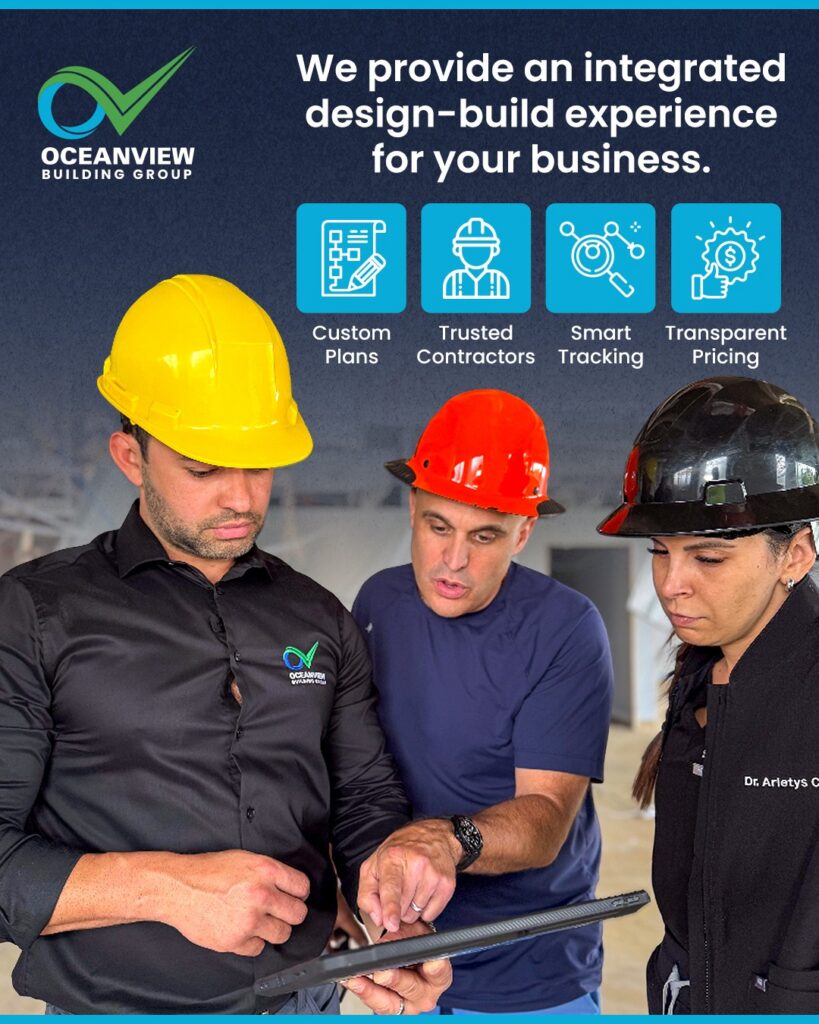
When your builder understands the full picture, your business benefits. An integrated design-build approach reduces miscommunication, controls timelines, and keeps your investment protected at every stage.
What Is Design-Build—and Why Is It Different?
In a traditional construction model, you hire separate teams for design, architecture, and construction. Each operates independently.
In a design-build model, everything is handled under one roof.
That means:
✔ One team
✔ One contract
✔ One streamlined process
From the first concept sketch to the final walk-through, every detail is aligned.
1. Faster Timelines, Fewer Delays
When design and construction teams work together from day one, projects move faster.
There’s no waiting for handoffs. No back-and-forth between architects and contractors. No costly redesigns mid-project.
With design-build, decisions happen in real time—keeping your project on schedule and on track.
2. Better Budget Control from the Start
One of the biggest frustrations in construction? Budgets that grow unexpectedly.
With a design-build approach, cost considerations are built into the design phase—not added later.
This means:
More accurate upfront pricing
Fewer change orders
Smarter material and system selections
Greater financial transparency
You don’t just design your space—you design it within your budget.
3. Seamless Communication, Stronger Results
When multiple companies are involved, communication gaps are inevitable.
Design-build eliminates that problem.
With one unified team:
Everyone is aligned on the same vision
Issues are resolved quickly
Quality control is consistent
Execution is smoother from start to finish
The result? A better final product—with less stress along the way.
4. Designed for Performance, Not Just Appearance
A beautiful space is important—but performance is everything.
At Oceanview Building Group, we design spaces that don’t just look exceptional—they function at the highest level.
Whether it’s a dental clinic, medical office, or luxury residence, every project is built to support:
Workflow efficiency
Patient or client experience
Long-term durability
Future growth and flexibility
Because great design isn’t just seen—it’s experienced.
5. One Team Accountable for Everything
Perhaps the biggest advantage of design-build is accountability.
There’s no finger-pointing. No confusion about responsibility.
Just one experienced team fully committed to delivering your project successfully.
“When design and construction are aligned from the beginning, the entire process becomes more efficient, more predictable, and ultimately more successful for the client.”
— Anderson Dos Santos, Oceanview Building Group
Why South Florida Is Moving Toward Design-Build
In fast-growing markets like Boca Raton and throughout South Florida, time, efficiency, and quality matter more than ever.
Owners are choosing design-build because it:
Reduces project timelines
Minimizes risk
Improves cost control
Delivers higher-quality outcomes
It’s not just a trend—it’s becoming the new standard.
✔ Medical offices and healthcare facilities
✔ Dental clinics and cosmetic practices
✔ Luxury residential homes
✔ Interior and exterior construction and remodeling
With over a decade of experience, our team brings together architecture, construction, and interior design into one seamless process—delivering spaces that inspire, perform, and last.
Build Smarter from Day One
If you’re planning a new build or renovation, the process you choose matters just as much as the final result.
Design-build gives you clarity, control, and confidence—every step of the way.
As life expectancy goals rise and healthcare systems face increasing pressure to deliver efficient, high-quality care, the design and construction of healthcare facilities have never been more critical. Hospitals today must support growing patient volumes, evolving clinical practices, advanced technology, and heightened expectations for safety, efficiency, and patient experience — all while remaining compliant and operationally resilient.
This convergence of challenges underscores the importance of thoughtful, future-focused healthcare construction.
At Oceanview Building Group, we partner with healthcare organizations to build hospitals and medical facilities that are not only functional and compliant, but strategically designed and expertly constructed to advance care delivery and strengthen the communities they serve. Every project is approached with long-term performance, adaptability, and patient-centered outcomes in mind.
“Healthcare buildings are an extension of the care being delivered inside them,”saysAnderson Dos Santos, Founder and CEO of Oceanview Building Group. “When facilities are designed and built with foresight — prioritizing resilience, flexibility, and operational efficiency — they directly support better outcomes for patients, providers, and entire communities. That responsibility drives every healthcare project we take on.”
Healthcare systems under increasing pressure
Globally, healthcare systems are facing unprecedented strain. Aging populations, workforce shortages, and rising demand for preventive and chronic care are forcing hospitals to operate more efficiently while expanding capacity. According to the United Nations, the global population aged 65 and older is expected to double by 2050 — a shift that places long-term pressure on healthcare infrastructure.
At the same time, care delivery models are evolving. Prevention, early detection, and outpatient services are becoming central to healthcare strategy, requiring facilities that can support new workflows, technology integration, and patient access without costly redesigns.
Why building design and construction matter more than ever
As healthcare priorities shift toward prevention and long-term wellness, the built environment becomes a critical enabler of care. Facility layout, infrastructure systems, and construction quality directly affect:
Patient safety and experience
Staff efficiency and workflow
Integration of medical technology and diagnostics
Operational continuity and regulatory compliance
Long-term adaptability and cost control
Experts in aging and preventive healthcare, including Dr. Richard Siow, Director of Ageing Research at King’s College London and Board Member of the Longevity Science Foundation, emphasize that healthcare systems must focus on extending healthspan — the years people live in good health — rather than simply lifespan. This shift reinforces the need for hospitals that are flexible, scalable, and built to support evolving care models.
Building for prevention, adaptability, and longevity
Modern healthcare facilities must be designed and constructed to evolve alongside medical innovation. From adaptable clinical spaces and efficient patient flow to robust infrastructure that supports AI, diagnostics, and data-driven care, future-ready hospitals start with intelligent construction planning.
At Oceanview Building Group, our healthcare construction approach is rooted in:
Strategic preconstruction planning
Deep knowledge of healthcare codes and compliance
Durable, high-performance building systems
Collaboration with healthcare leaders to align facilities with clinical goals
This ensures that hospitals are not just built for today’s needs, but are prepared to support tomorrow’s healthcare challenges.
A construction partner for future-ready healthcare
Healthcare challenges call for smart, strategic building solutions — and the right construction partner can make all the difference in how care is delivered, experienced, and sustained over time.
Whether you’re planning a new hospital, expanding an existing medical facility, or modernizing infrastructure to meet future demands, Oceanview Building Group brings expertise, precision, and purpose to every healthcare construction project.
The future of healthcare construction is here—and it’s sustainable by design.
At Oceanview Building Group, we believe that exceptional healthcare facilities should do more than meet regulations. They should enhance patient outcomes, improve staff performance, and create lasting value for the communities they serve. As we move into 2026, sustainable, high-performance design is no longer optional—it’s essential.
As a premier design-build firm in Boca Raton, Oceanview Building Group delivers fully integrated commercial construction, residential construction, and interior design services, specializing in medical facilities, dental offices, cosmetic surgery centers, and luxury homes that inspire confidence and elevate experiences.
Sustainability in Healthcare: More Than Just Green Buildings
Sustainability in healthcare goes far beyond energy-efficient systems or eco-friendly materials. It’s about creating environments that support healing, efficiency, and longevity across the entire lifecycle of the building.
According to industry leaders, sustainable healthcare facilities are designed to:
At Oceanview Building Group, we integrate sustainability from the ground up, aligning architecture, construction, and interior design into a seamless process.
Supreme Construction Services in Boca Raton
Welcome to Oceanview Building Group, your premier commercial construction, residential construction, and interior design company. As an integrated design-build firm, we combine unmatched expertise in structural design, construction, and interior design, including luxury homes, medical facilities, dental clinics, cosmetic surgery offices, and other healthcare centers that inspire, impress, and elevate experiences.Discover the Oceanview Building Group difference!
From Blueprint to Reality: Healthcare Spaces That Perform
As an integrated design-build firm, Oceanview Building Group manages every stage of your project—from initial planning and permitting to construction and final finishes. This approach ensures:
Streamlined timelines
Reduced costs and change orders
Superior quality control
A cohesive, high-end final result
We specialize in:
✔ Medical facilities & hospitals
✔ Dental clinics
✔ Cosmetic surgery offices
✔ Specialized healthcare centers
Each space is designed to be visually stunning, highly functional, and strategically built for long-term success.
👉 Choose Oceanview Building Group for healthcare facility design and construction excellence.
Why Sustainable Design Is a Smart Investment
Investing in sustainable healthcare facilities isn’t just good for the planet—it’s good for business.
Thoughtful, sustainable design leads to:
Lower utility and maintenance costs
Improved patient satisfaction
Increased staff retention
Higher property value and ROI
With over a decade of experience, our licensed building contractors and architectural designers are among the best in Florida—trusted by healthcare professionals and luxury homeowners alike.
Let’s Build the Future—Together
Whether you’re planning a state-of-the-art medical facility or a luxury private residence, Oceanview Building Group is your partner from concept to completion.
Outdated healthcare buildings can hold even the most advanced practices back. Aging infrastructure often lacks the spatial flow, efficiency, and integrated technology required for today’s patient-centered and regulatory-compliant environments. From outdated air handling systems to inefficient lighting and data networks, modernizing these facilities requires more than renovation—it calls for strategic reinvention. Discover how a thoughtful approach to planning, materials, and systems can transform aging spaces into modern centers of care that meet the needs of patients and providers alike.
At Oceanview Building Group, we make this transformation seamless. Our team brings decades of expertise in dental, medical, and healthcare construction, understanding the intricate requirements that define modern clinical design—from OSHA compliance and airflow standards to technology integration and patient comfort. Every project is approached with precision, communication, and efficiency—so your facility not only looks exceptional but functions flawlessly.
Sustainable practices are at the forefront of redefining the healthcare ecosystem today and play a significant role in promoting well-being, according to various reports. The market for global green hospitals was valued at US$41.68 billion in 2022 and is expected to grow at a compound annual growth rate (CAGR) of 12.5 per cent to reach US$106.93 billion by the end of 2030, clearly indicating sustainability’s impact on healthcare.
One of the most effective approaches to accelerating sustainable practices and development is adaptive reuse, as it facilitates extending a building’s life while encouraging the reuse of embodied energy. Adaptive reuse, the process of converting old or underutilised buildings for new purposes, provides a unique opportunity to improve healthcare accessibility by transforming urban structures into hospitals. This approach also allows healthcare organisations to save costs as the infrastructure and enclosure of the building are already in place. Overall, adaptive reuse also reduces environmental impact while still providing modern, functional spaces for medical care.
When applied in healthcare, it can also help in “repurposing existing structures to meet evolving requirements,” explained Ravideep Singh, Associate Director, Creative Designer Architects (CDA), an interdisciplinary architectural practice that specialises in healthcare, commercial, and retail projects.
Adaptive reuse can also effectively address changing healthcare needs and optimise infrastructure when applied to healthcare facilities. In urban areas where land is scarce and expensive, repurposing existing infrastructure offers an environment-friendly solution to meet the growing demand for healthcare facilities.
Addressing gaps in healthcare infrastructure
The growing need for hospitals and care facilities has highlighted significant gaps in urban healthcare infrastructure. For instance, in India’s densely populated urban hub of the National Capital Region, which has an exorbitant population density of close to 25,000 people per square kilometres, there were reportedly no quality healthcare facilities in close vicinity, requiring people to travel to Noida or the capital New Delhi in search of quality clinical care, until last year. To combat this challenge, Sarvodaya Hospital and the Fortis Hospital in Greater Noida applied adaptive reuse to address these gaps in healthcare infrastructure by revitalising defunct spaces to create transformative facilities that positively shape the lives of individuals and communities.
Adaptive reuse cements environmental conservation in healthcare
Healthcare infrastructure globally is under immense pressure due to the growing demand for quality healthcare services. The pandemic also brought forth the functional inadequacies of healthcare infrastructure. It imposed an urgency to ramp up and build high-quality infrastructure swiftly.
Moreover, over the past few decades, the burden on healthcare systems has begun to pile up as the population continues to soar. “We have also witnessed rapid urbanisation and the emergence of new construction materials and technologies. While green buildings and energy-efficient technologies promise to reduce carbon footprints and create a healthier built environment, we are beginning to see the irony of what building so-called ‘sustainable’ infrastructure entails. Building new infrastructures, although they may be a ‘sustainable project,’ requires manufacturing of new resources, taking away from it being a sustainable practice,” commented Singh.
Adaptive reuse has proven to be a game-changer here, as reusing infrastructure reduces the carbon footprint associated with manufacturing new building materials. Hence, healthcare facilities can contribute significantly to environmental conservation by adapting and enhancing existing buildings.
Challenges while embarking on adaptive reuse projects
Mechanical services and their specific height requirements are one of the many challenges in brownfield projects. But, for instance, implementing ducted cassette units can be a space-efficient alternative to optimise height and enhance the overall spatial experience within the hospital. This approach is a cost-effective and sustainable way to help cut down on construction time and build community-centric healthcare facilities that improve access to quality care and promote well-being.
However, it is important to remember that from a medical planning perspective, existing structures can present limitations in terms of connectivity and seamless planning. It can be challenging to segregate departments and optimise operational efficiency. Therefore, when an existing building is being converted into a healthcare facility, architects need to plan by considering specific healthcare services, equipment, technology, and medical workflows. Overcoming these challenges requires a collaborative approach involving architects, medical professionals, and regulatory bodies.
In the case study of Sarvodaya Hospital, the original structure was designed as a commercial mixed-use facility, with busy stores on the lower floors and unoccupied office spaces on the higher floors. One of the challenges was to construct a highly efficient hospital inside the confines of an already operational business centre. The tight and diverse blocks posed roadblocks in terms of medical department connectivity. To address this issue, these blocks were linked by eight-foot-wide corridors added at various points to allow for seamless transitions and movements for patients, doctors, and staff.
Impact on patient care
Well-designed spaces can create a sense of comfort, privacy, and familiarity for patients, positively impacting patient care and staff well-being. Repurposed healthcare facilities often feature larger windows, improved lighting, and better ventilation. For staff, functional layouts can enhance efficiency, reducing stress and fatigue. The overall result of prioritising acoustics, natural light, and green spaces builds a healing environment.
Get the latest insights from the healthcare industry straight to your inbox. Subscribe for a bi-weekly roundup of the latest healthcare tech, trends, innovation and patient experience, accompanied by exclusive interviews from the industry’s leaders.
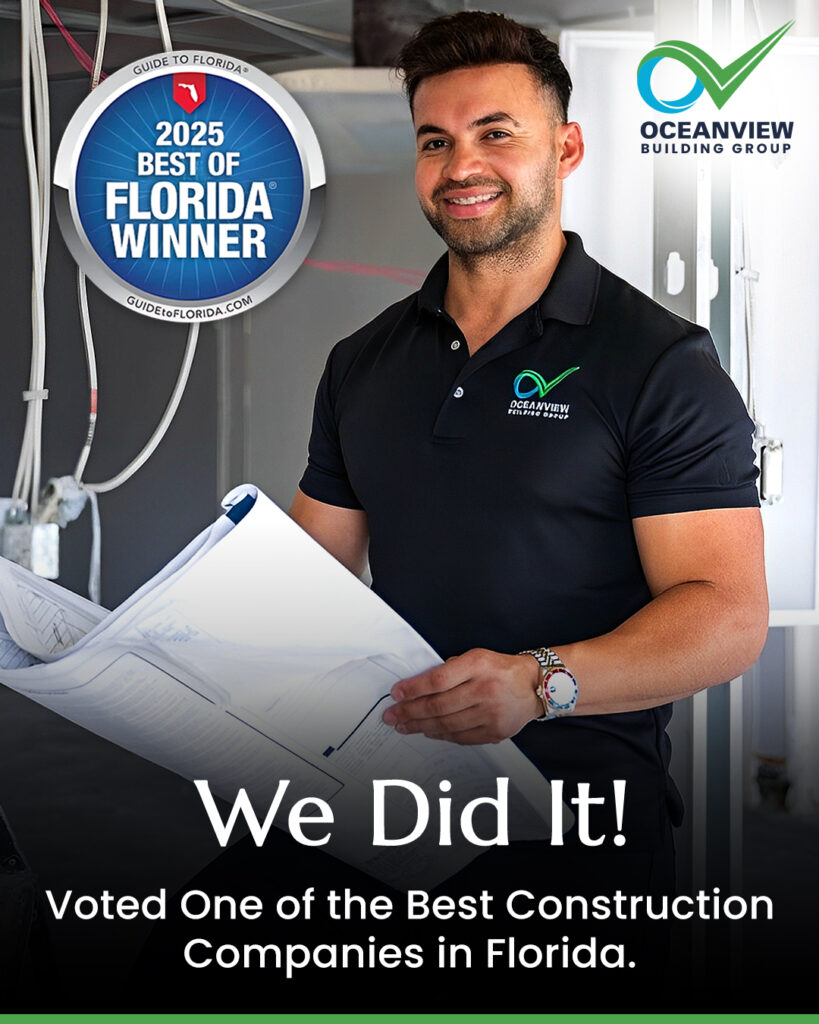
Oceanview Building Group has officially been voted one of the Best Construction Companies in Florida — and it’s all thanks to our incredible clients, partners, and team.
Whether you’re modernizing a dental practice, building a new surgery center, or reimagining your healthcare facility for the next generation of care, Oceanview Building Group ensures every detail aligns with your goals, your budget, and your timeline.
Hospitals today are no longer just places for treatment—they’re centers of healing where design directly shapes outcomes. A well-designed facility can reduce patient stress, improve recovery times, and enhance staff efficiency, all while keeping costs under control. And while these principles are most visible in hospital settings, clinics and medical practices can apply them as well, learning how thoughtful design choices improve the experience for both patients and providers.
From maximizing natural light to integrating flexible layouts and advanced technology, modern healthcare design is built on principles that serve patients, providers, and administrators alike. Safety, accessibility, and comfort are equally critical—whether you’re designing a large hospital, a local clinic, or a private practice. These design decisions have a lasting impact on patient satisfaction, staff morale, and the long-term sustainability of the facility. At Oceanview Building Group, we know how to translate these principles into real-world solutions for projects of every size.
In an environment where failure to plan is planning to fail, time and time again I have witnessed the devastating effects poor planning can have on the design and construction of healthcare facilities in both developed and developing markets. Despite the best intentions of providing healthcare to a growing market, the importance of infection control, staff efficiency, hospital workflow, as well as patient safety and comfort are often overlooked.
This seems to occur more frequently when the project is not championed by an experienced healthcare design team, or when the structure is not built to the specific needs of a healthcare facility or healthcare market. Another major issue appears when the wrong stakeholders are asked to advise. People just don’t know what they don’t know. Most hospital CEO’s will experience one major construction project in their career. By contrast, healthcare planning and design firms will build five to 10 a year.
During a recent customer site visit, I was asked to walk through a shell and core building that I quickly realised was never intended to be a hospital. Just by looking at the architectural drawings, I discovered some clear giveaways: a small actual footprint, central core elevators and multiple stories. This building was a hotel. This kind of design makes it difficult to separate inpatient and outpatient flow due to the limited availability of vertical movement options.
This footprint also impedes department adjacencies or the need to house some departments on a single floor, like radiology and surgical floors. Not every building can be turned into a hospital; a medical facility is a purpose-built structure.
Five Key Principles for hospital design and technology planning:
In my 34 years in international healthcare, I have had many similar experiences, which have led me to adopt five guiding principles when advising clients in their hospital design and technology planning.
1. Equipment dictates design, design does not dictate equipment
Advisers sometimes forego critical equipment simply because they will not fit within a design or in a shell and core structure repurposed as a healthcare facility. Large, heavy pieces of equipment like MRIs for example, need to be positioned on an outside wall in the structure to plan for delivery and possible replacement. I’ve seen this dozens of times at the cost of several thousands of dollars in reconstruction.
2. Design today for tomorrow’s expansion
I particularly see a lack in vision in renovations of projects that have been constructed within the last five years, which addressed only current problems and were therefore time-locked. Most communities don’t shrink in population and a good healthcare facility will grow a community around it.
The healthcare facility must not only address today’s issues but have vision toward future challenges. In this case, growth in number of beds, additional departments and the changing structure of population and healthcare needs should be considered during the planning phase of the facility. A good healthcare facility will last about 30 years or more.
3. Core is key
I start every design review around four key departments. Emergency Department, Radiology Department, Operating Theatres, and intensive care units.
My thought process is that each of these departments feed patients to each other so having them in close proximity can reduce patient travel and the need for duplicate equipment. During my imaginary travels from department to department I always keep in mind what I call PDR: privacy, dignity and respect of the patient. PDR can be as simple as providing curtains, walls or doors between patients; not parking inpatients’ stretchers on corridors or public waiting! There needs to be an understanding that many patients can’t choose for themselves, so you will be making choices for them. These considerations will aid in planning the movement of patients from department to department, so they don’t cross with general hospital population.
4. Solve problems with pen and ink instead of sledge hammers
Talking through, walking through, mock ups, and 3-D renderings are all methods of identifying issues before they become real construction problems. It is important to remember that you will pay for a mistake three times; once to build it, once to tear it down and once to rebuild it.
Moving into construction without an adequate review process, will increase the likelihood of change orders/variations further down the line. On many projects I’ve reviewed, in the rush to construction, simple mistakes that could have been avoided resulted in tens of thousands of dollars of costly corrections. An example of that is an MR landlocked in the centre of the building and walls that had to be torn down for installation.
5. Design with caregivers in mind
I apply a rule that a caregiver should never move more than 25m in any direction to obtain the supplies needed to do their job. This is accomplished by locating support rooms to adequately supply the staff. During review of plan elevations, it is important to remember simple rules; like a caregiver should never move their feet with sharps or needles in their hand. Accordingly, locating sharp disposal boxes at the site of injections is a simple measure that has great impact. Another easy fix is to mount patient monitors on articulating arms, which can be adjusted to the height of the caregiver. A nurse’s time should be spent with the patient, not chasing down supplies; so, by simply by locating support rooms within those 25m of where the care occurs can drastically reduce the amount of time a caregiver spends traveling the hallways. I believe strongly that taking care of your caregivers is a great consideration in planning and is accomplished without costly measures.
Optimised Workflows
To address some of these key guiding principles, I developed a detailed Design Review Methodology in the past years. At the heart of this methodology is the need to retain an experienced hospital technology planning team and senior technology planner.
The overall goal of an experienced Hospital Technology Planning team is to assist in the establishment of international standards in hospital design that support patient safety, infection control and optimised workflows based on room and department placements and functional adjacencies.
A senior technology planner can provide quick desktop reviews of designs, in depth design reviews and BOQs, in addition to supporting the Client Design Team with the application of best practices in hospital development during the design phase. In addition, the senior technology planner will support the creation of a project plan for technology installation, pre-installation and commissioning needs with their main focus being the hospital as a whole and all equipment from an agnostic point of view.
Out of the hundreds of hospitals I have had the opportunity to work on over the past 30 plus years, I would estimate one third run into trouble; and by having a hospital technology planner at the centre of the discussions you could reduce this number significantly.
Medical facilities are some of the most technically complex building projects in the world and obtaining the right advice is key; and should be applied as early as possible to avoid costly mistakes and making the project a long-lasting success.
Modern healthcare design requires expertise, precision, and a vision for the future. As one of Florida’s most trusted builders, Oceanview Building Group combines technical excellence with thoughtful planning to help hospitals, clinics, and medical practices achieve their goals. Call us today at 954.980.5308 to discuss your next project, and join our community onInstagramfor more insights and inspiration.
In a world where first impressions matter more than ever, design is no longer just about aesthetics—it’s about intention, strategy, and long-term value. Whether you’re developing a personal residence, a flagship medical office, or a high-traffic commercial space, your project’s success hinges on who builds it.
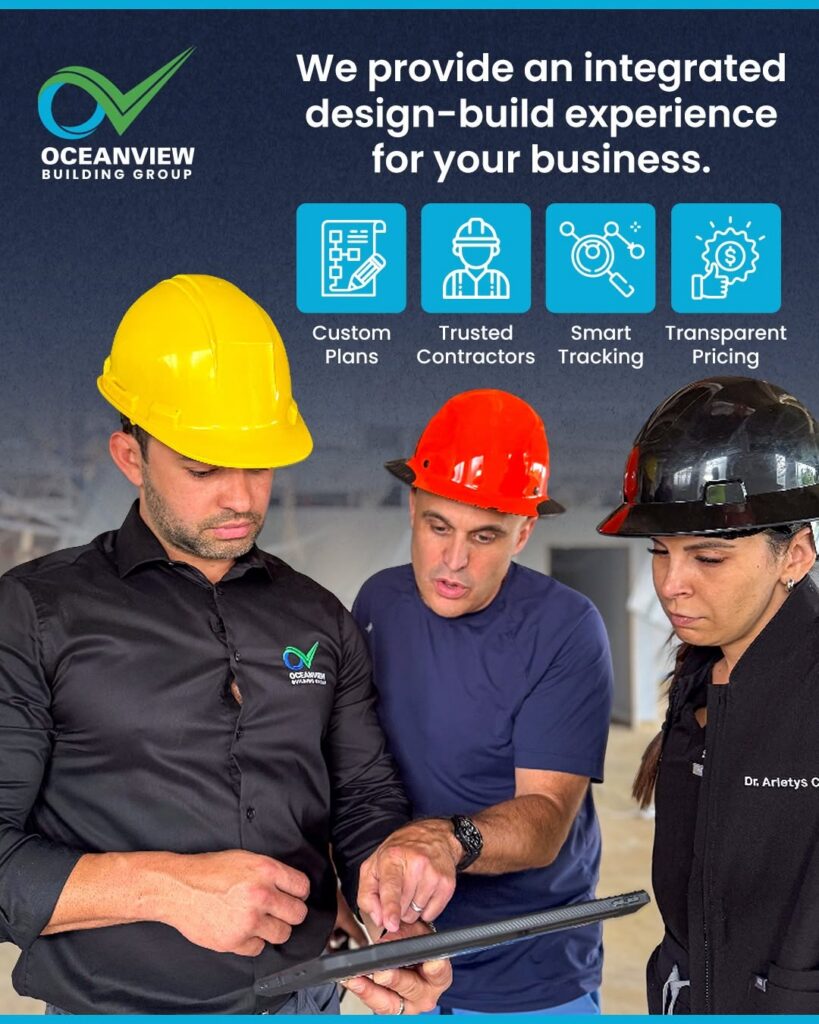
At Oceanview Building Group, we don’t just build—we bring design visions to life with precision, creativity, and craftsmanship. We know that good design doesn’t happen in a vacuum. It takes a forward-thinking builder who understands how to turn big ideas into functional, beautiful, and enduring spaces. From the very first sketches to the final walkthrough, we are the force behind the walls, the systems, the finishes—and the experience your space delivers.
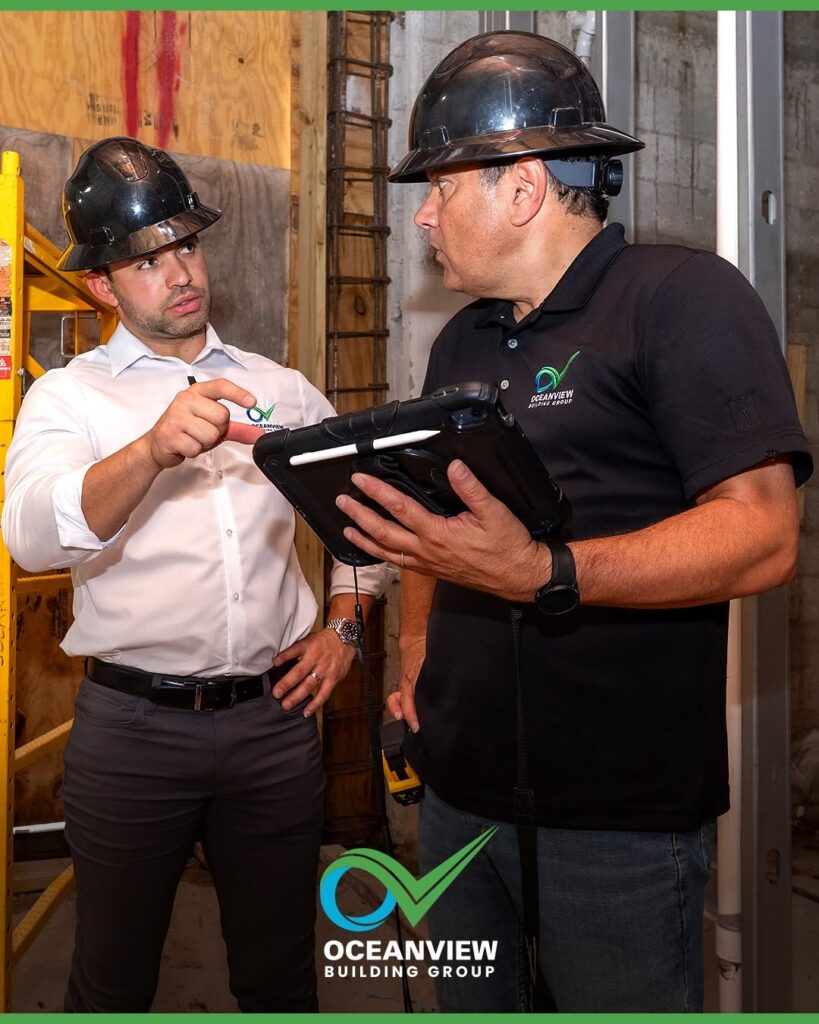
Led by CEO and visionary Anderson Dos Santos, Oceanview Building Group has become a trusted name in high-performance medical, dental, and luxury commercial builds across Florida. “We believe design is more than a layer on top—it’s built from the inside out,” says Dos Santos. “Our role as builders is to translate ambition into structure. That’s what we do best.”
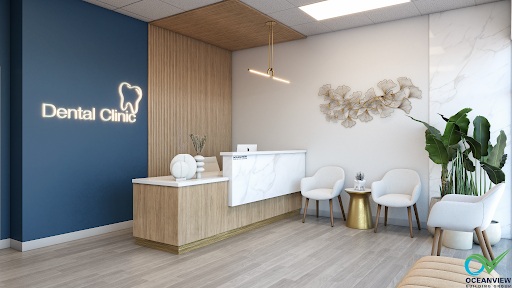
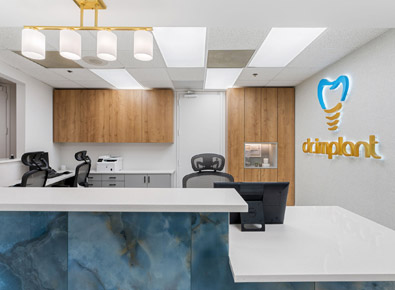
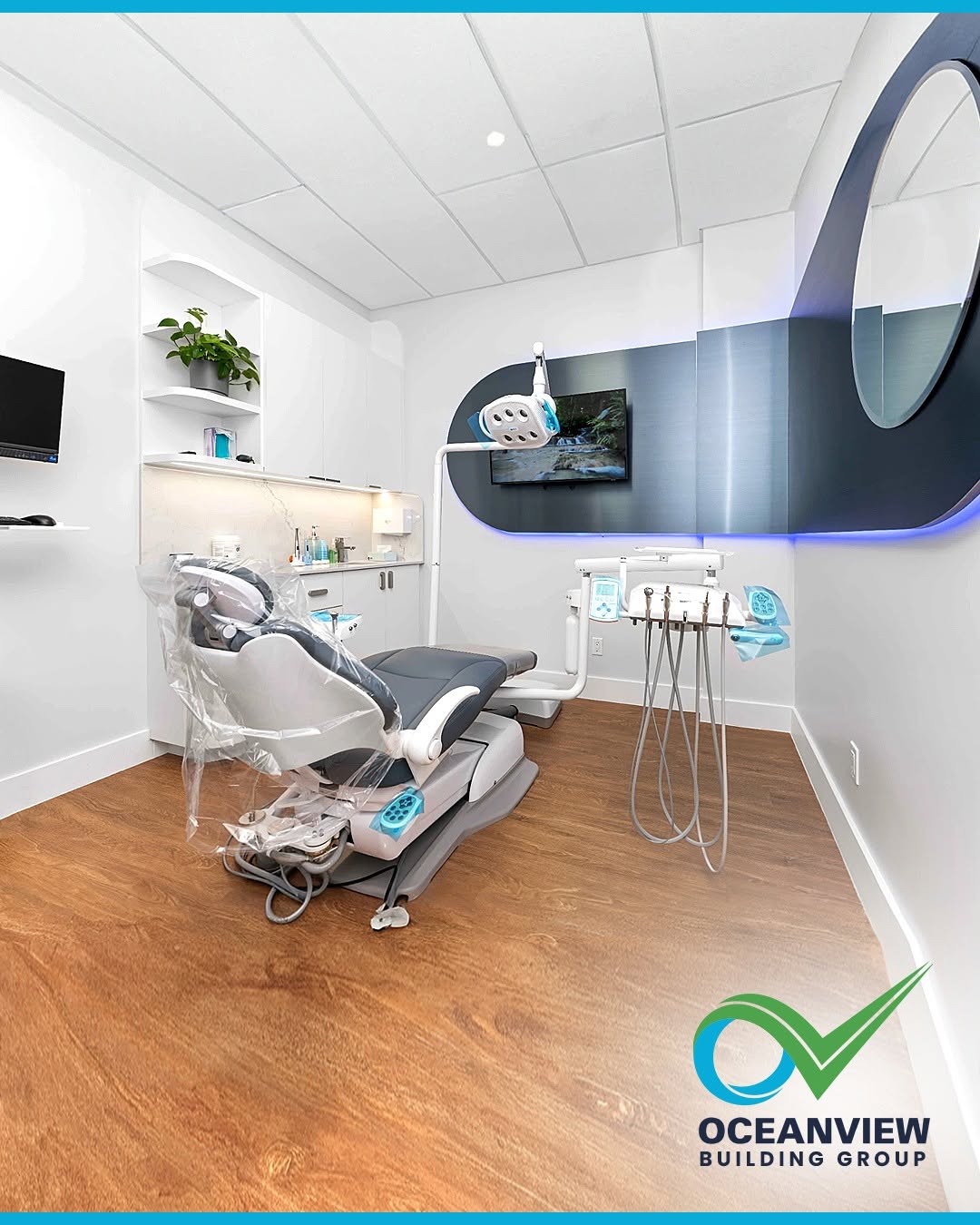
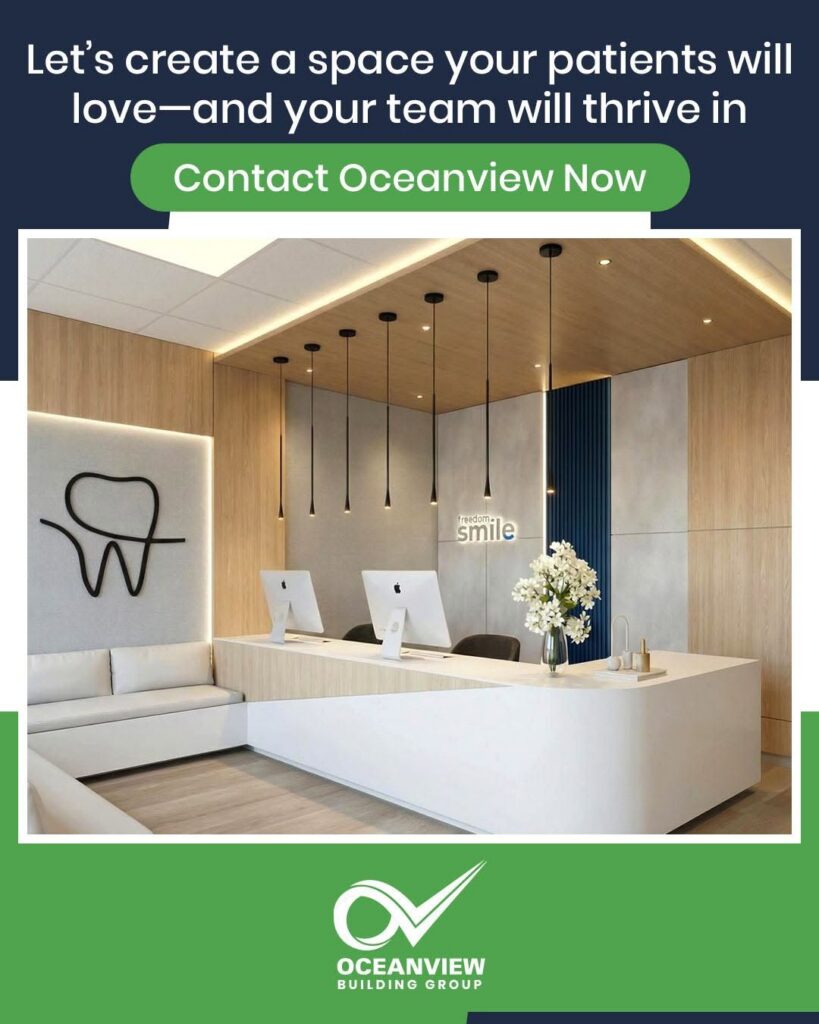
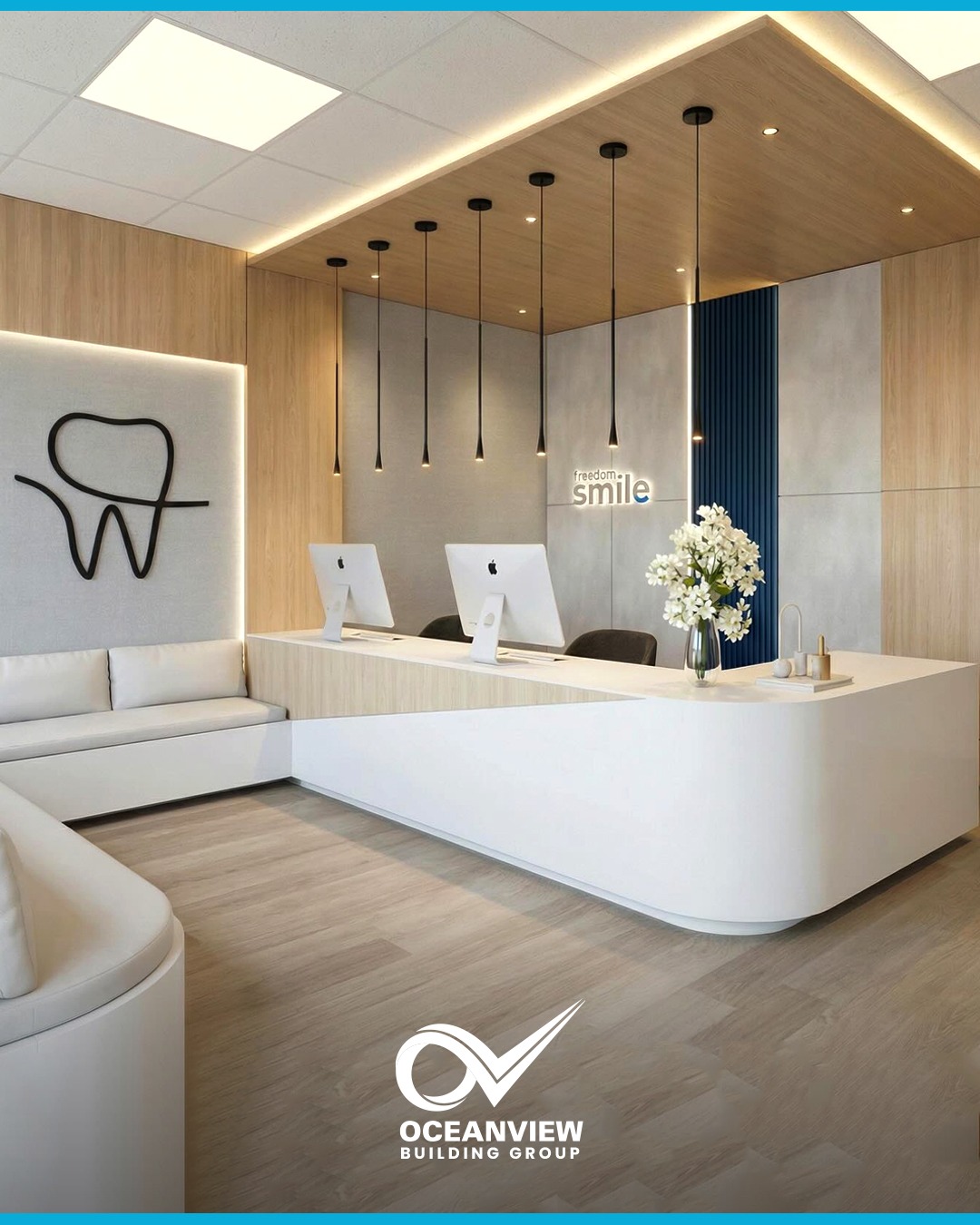
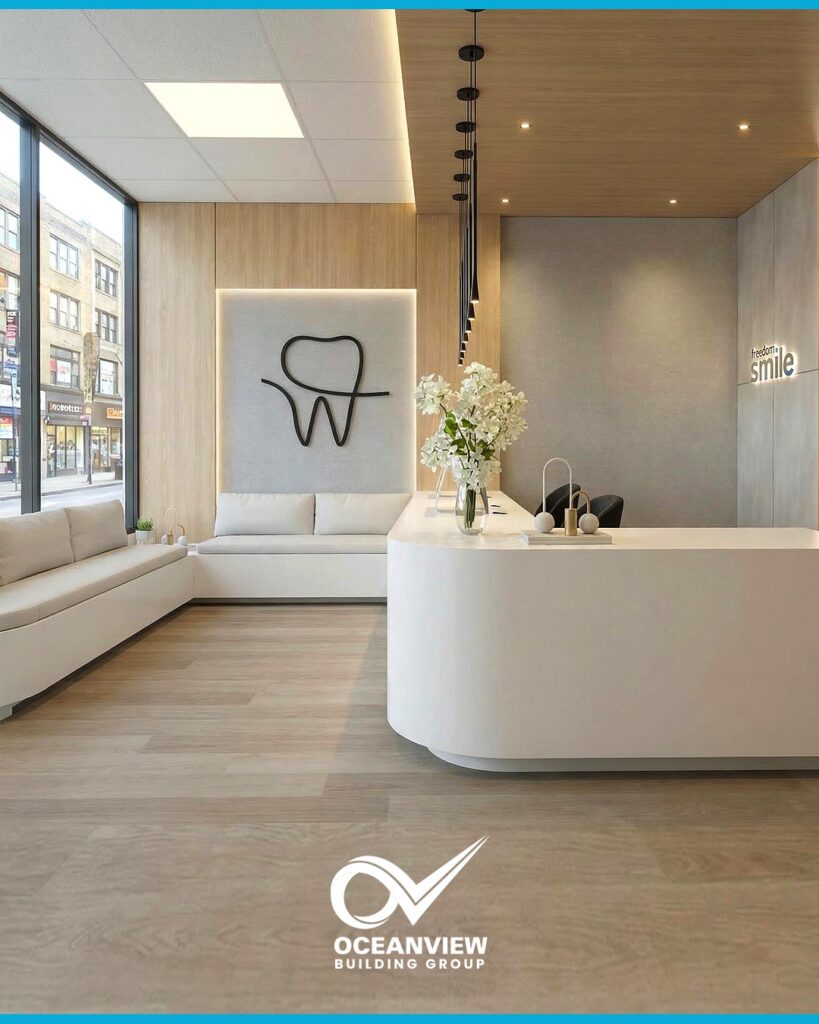
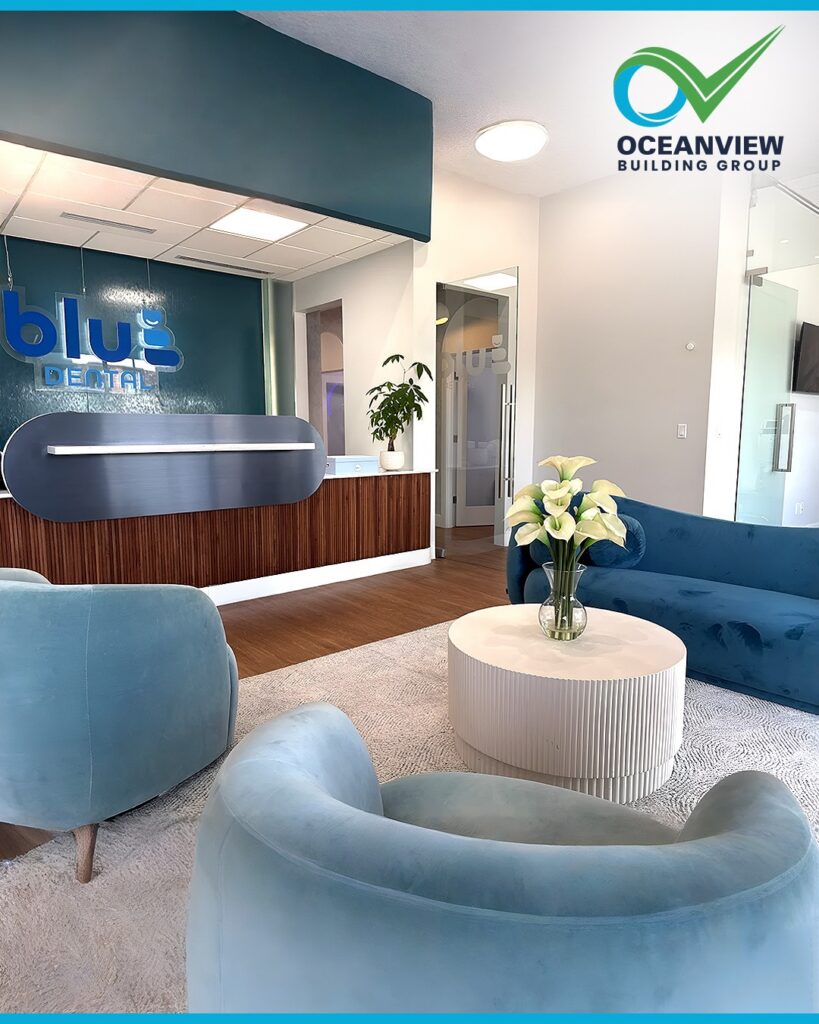
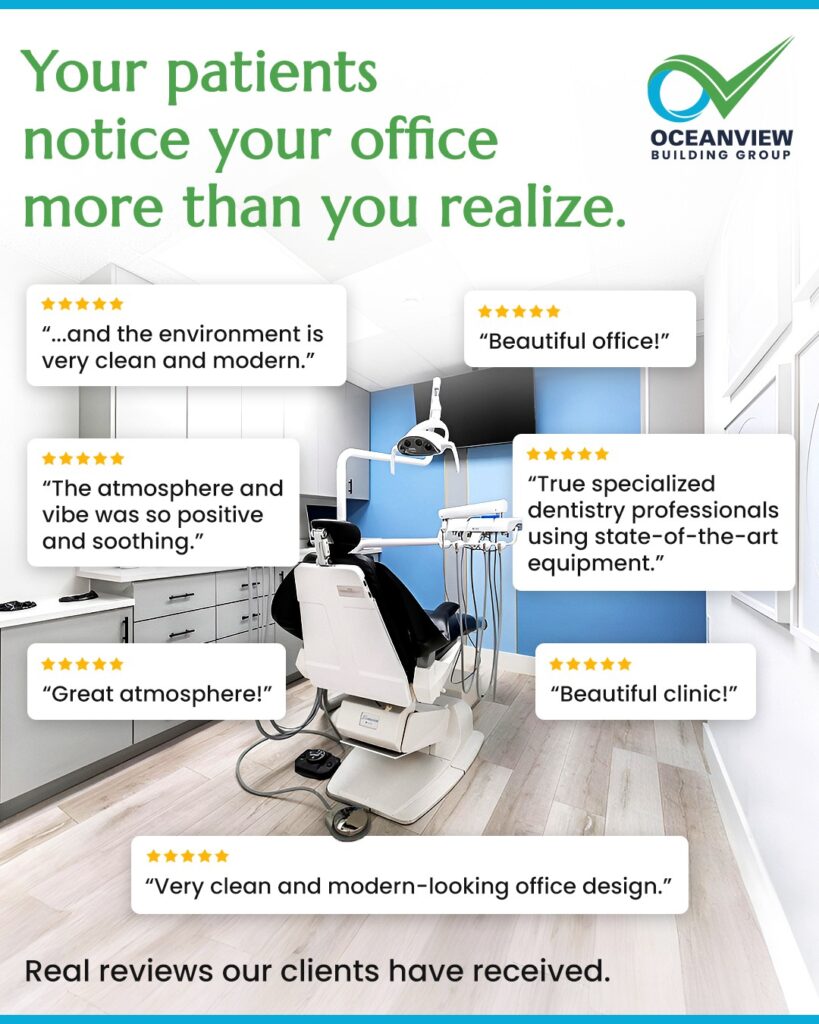
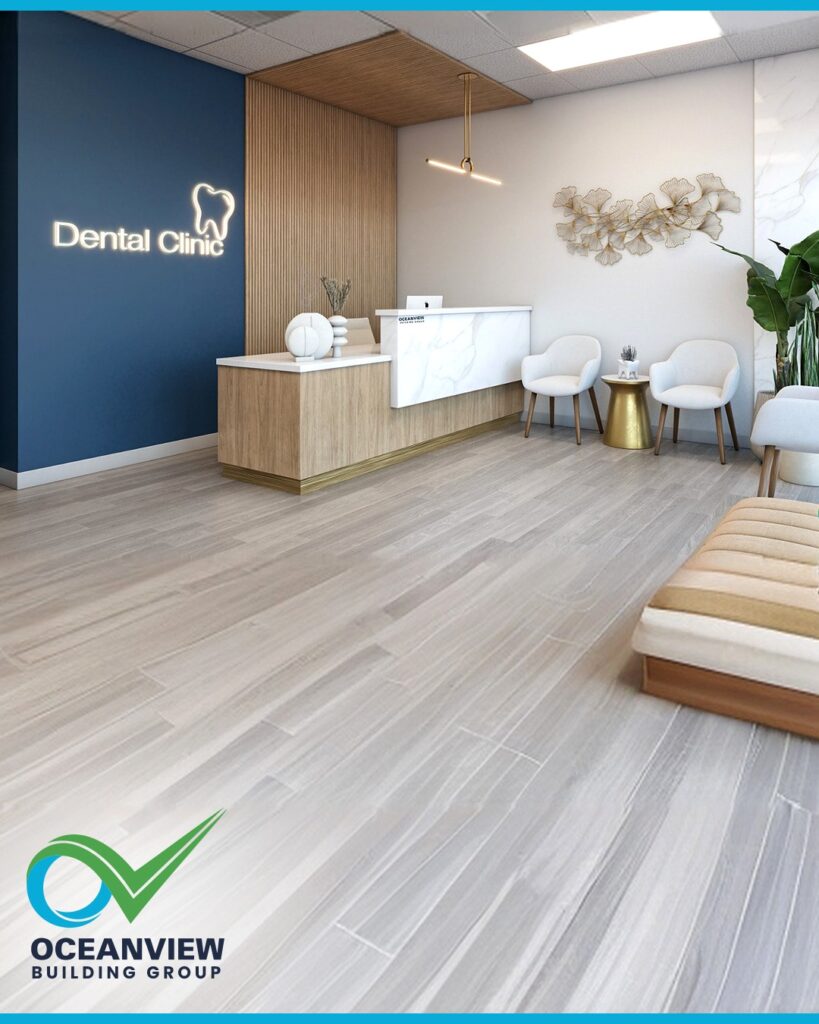
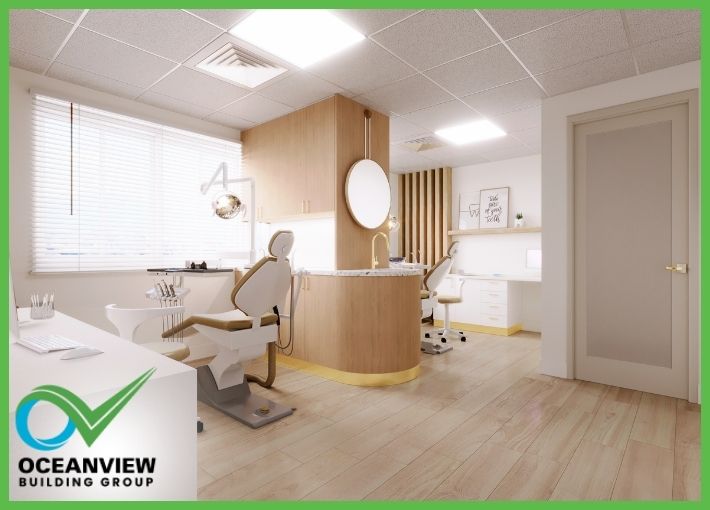
Oceanview’s reputation is especially strong in the healthcare sector, where design and construction must be approached with exacting standards, high regulatory compliance, and sensitivity to patient and practitioner experience. From stunning cosmetic dental offices to state-of-the-art surgical centers, their team has mastered how to build elegant, efficient spaces that function flawlessly and elevate brand image.
At Oceanview Building Group, we bring visionary dental and healthcare spaces to life—on time, on budget, and beyond expectations. From dental offices to luxury clinics, every detail is designed to elevate the experience for patients, clients, and teams alike.
With a meticulous project management system, deep vendor relationships, and a commitment to quality that goes far beyond the finish line, Oceanview Building Group ensures that every build—regardless of scale—gets white-glove treatment. Their process is collaborative, communicative, and fully transparent, making them the partner of choice for entrepreneurs, investors, and design-forward professionals.
If you’re serious about building with purpose, choose the builder that understands design is the foundation of growth and success. 📞 Call Oceanview Building Group at 954.980.5308 or connect with us on Instagram to explore our work and see what sets us apart. Whether it’s your next business venture or a personal dream project, we’re here to build it—beautifully.
Get Inspired
Sign up for our latest projects and design trends.
Let's Get to Work – Together!
At Oceanview Building Group, we create stunning, functional spaces. Contact us today to schedule a consultation and bring your dream space to life.
I highly recommend Oceanview Building Group. The company exemplifies professionalism, communicates better than anyone else about the project(s) and what to do and expected, and delivers outstanding work. Their honestly straightforward, real approach and exceptional craftsmanship make working with them a pleasure on a continual basis. Consistently exceeding expectations, their dedication to excellence shines through in every project. 6 stars if I could.
Peter Menke
Absolutely loved working with this team! Their professionalism and creative ideas were top-notch, and they really listened to our vision. The results were quite spectacular and I can not thank Oceanview enough. My husband and I are just starting the journey with their commercial builders now for his dental office -- and we can’t wait to see how amazing those results will be. Thank you again, Anderson.
Jacqueline F.
Simply amazing!! If you have the opportunity to work with this group, you will not be disappointed. Professional and great attention to detail. Also ask about small things to add to the look of your project, these little things were the icing on the cake. I couldn't be happier!



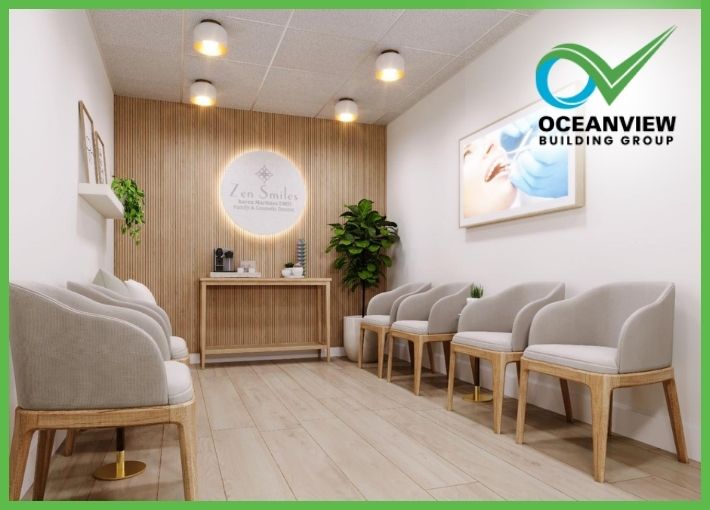
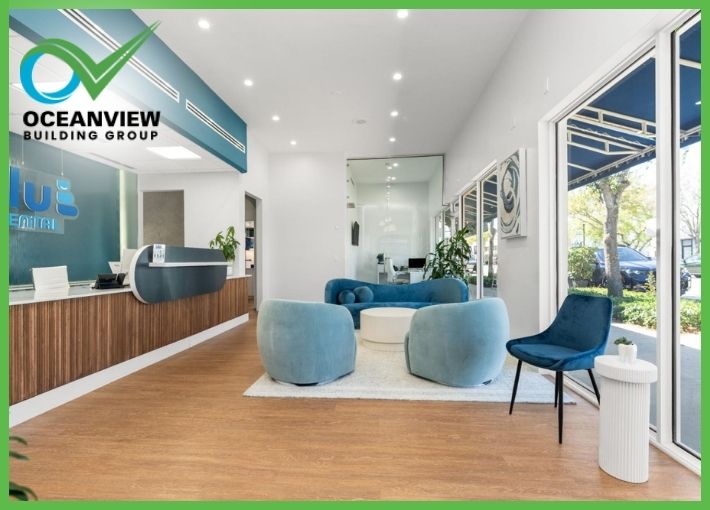
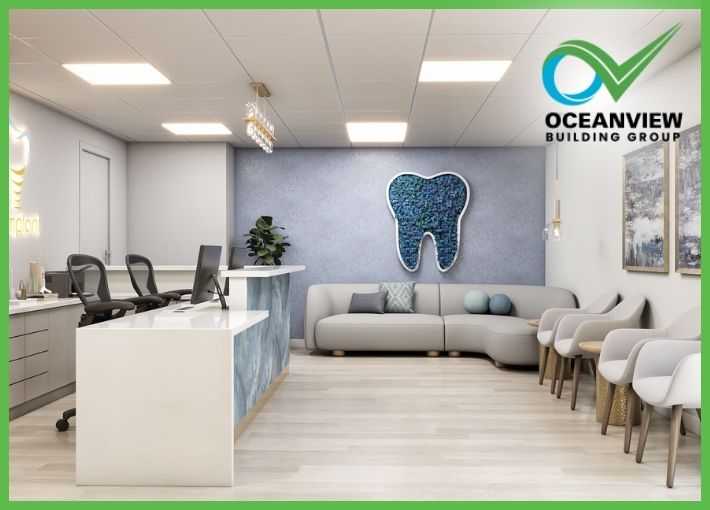










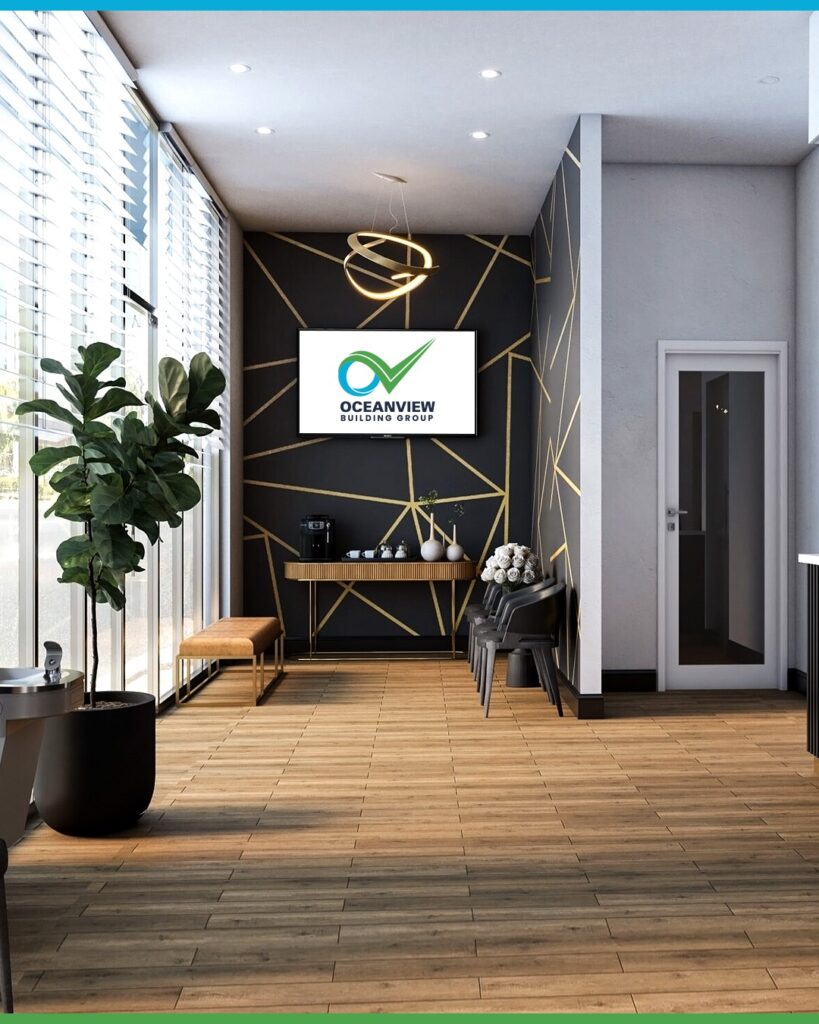
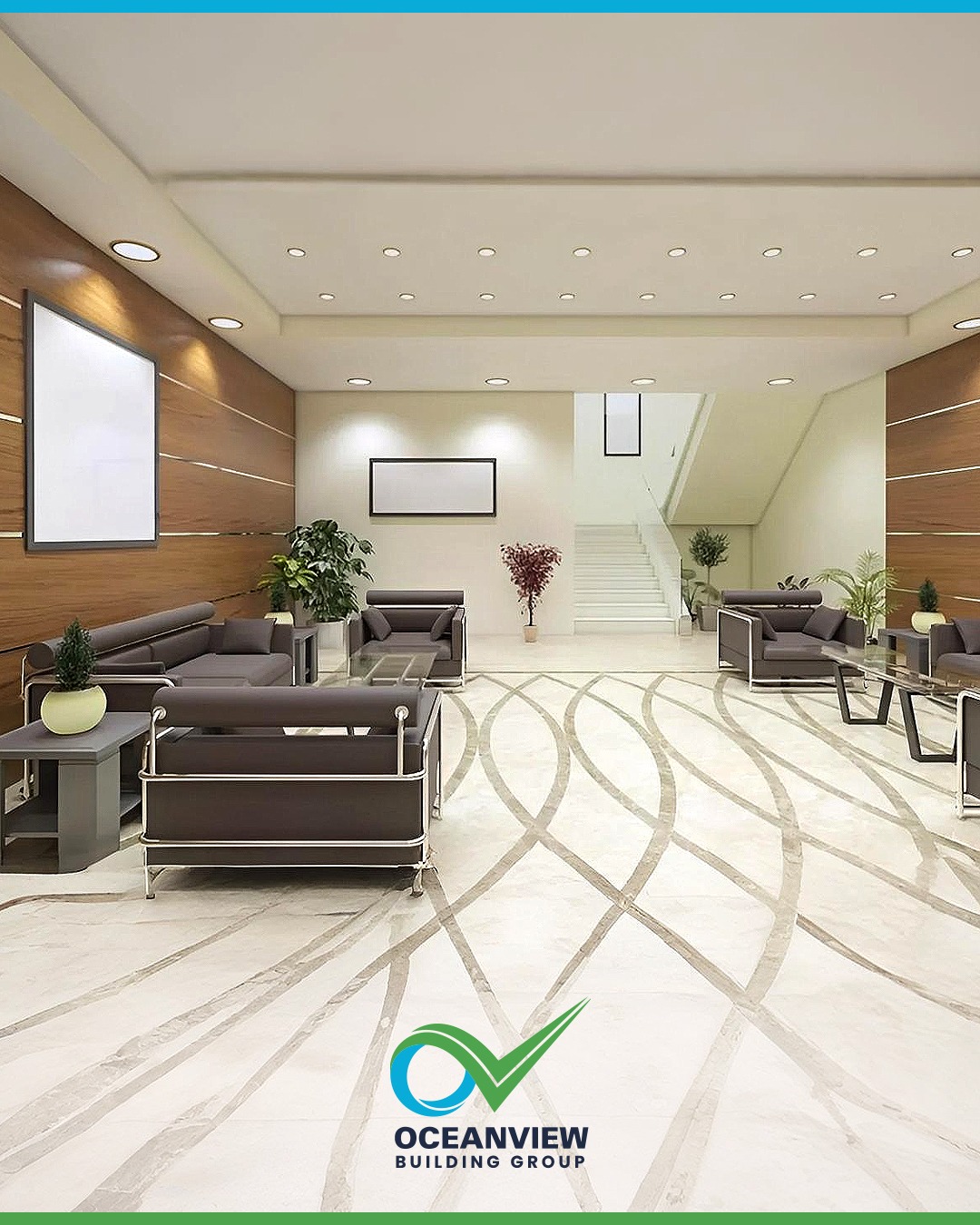
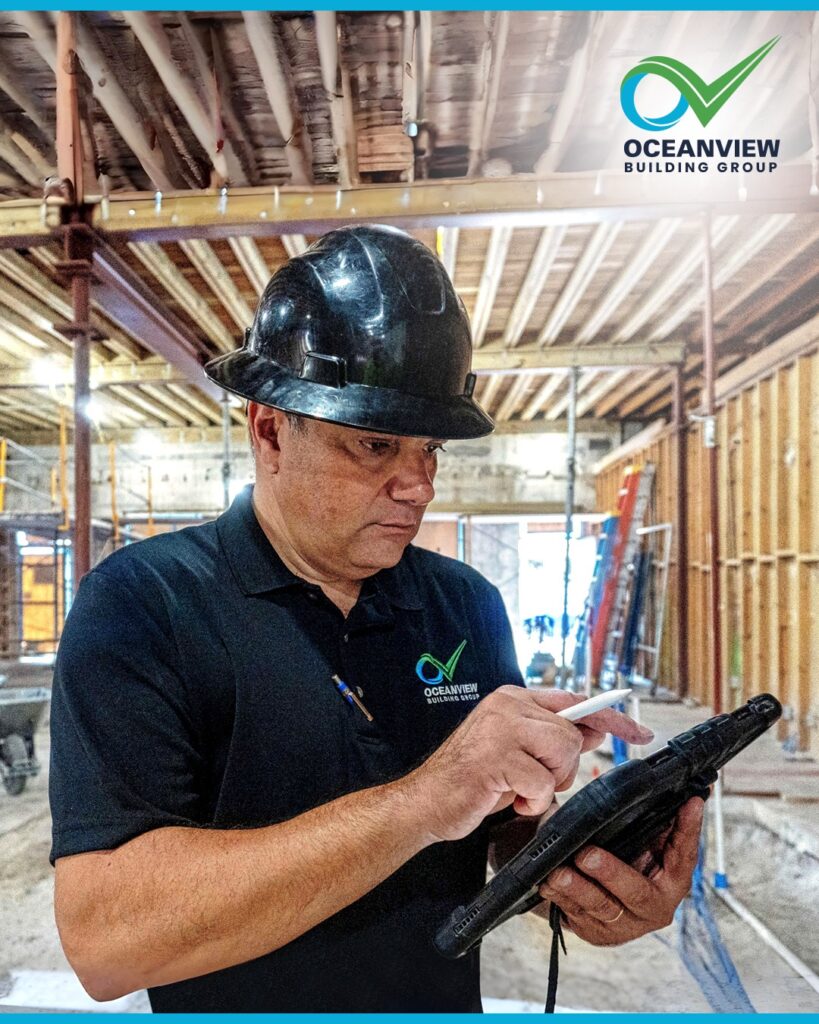 Led by CEO and visionary Anderson Dos Santos, Oceanview Building Group has become a trusted name in high-performance medical, dental, and luxury commercial builds across Florida. “We believe design is more than a layer on top—it’s built from the inside out,” says Dos Santos. “Our role as builders is to translate ambition into structure. That’s what we do best.”